 (+035) 527-1710-70
 google@gmail.com
 Choose an address

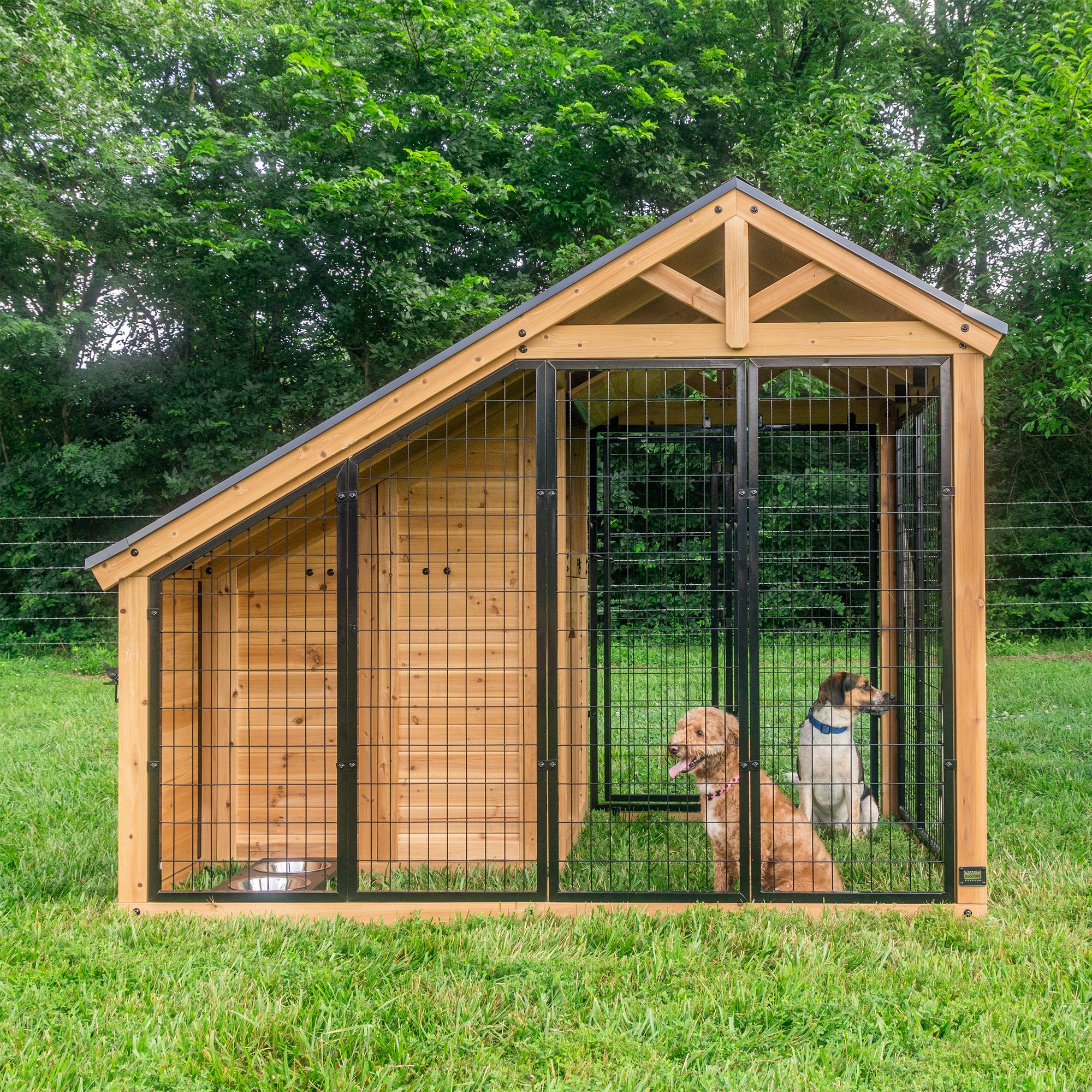
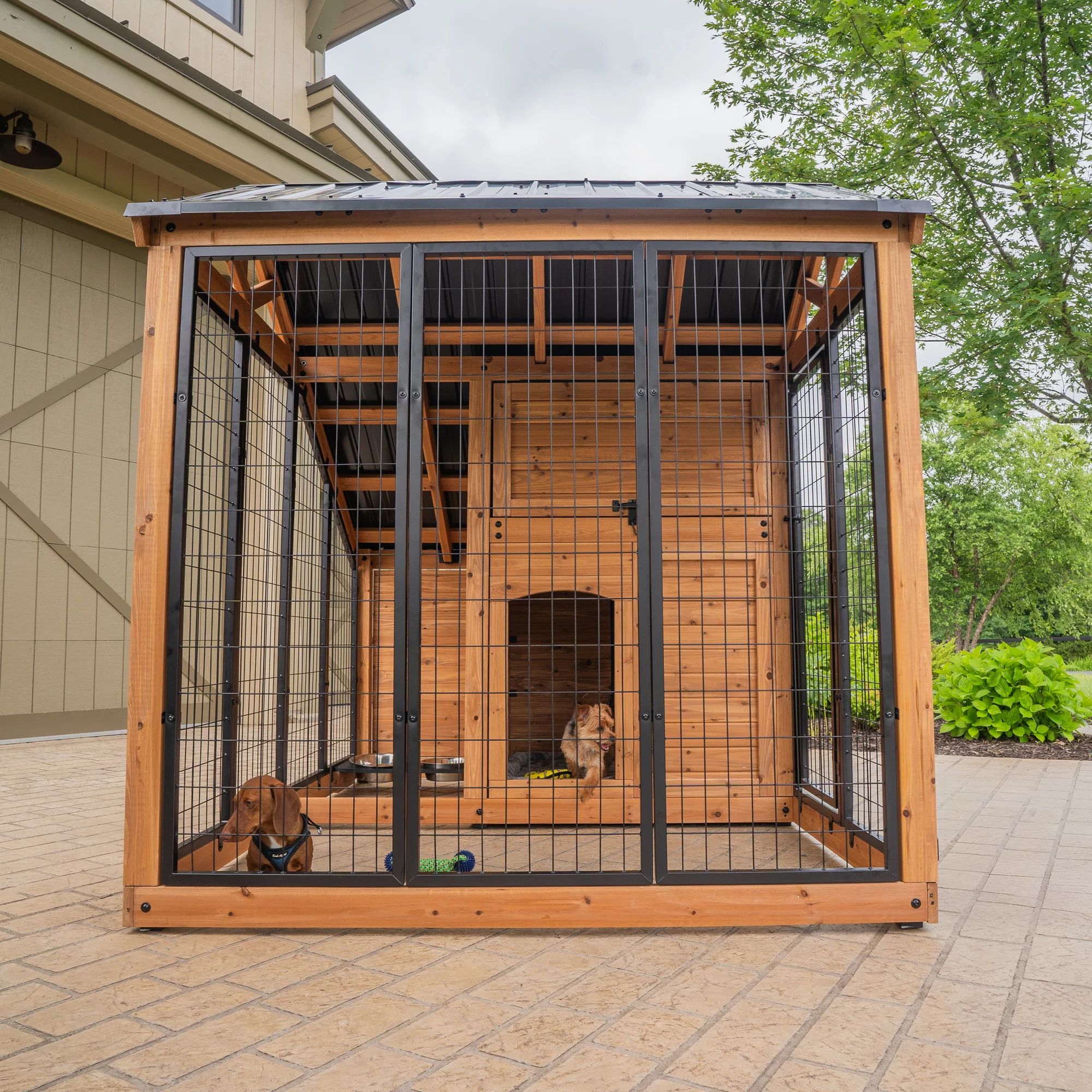
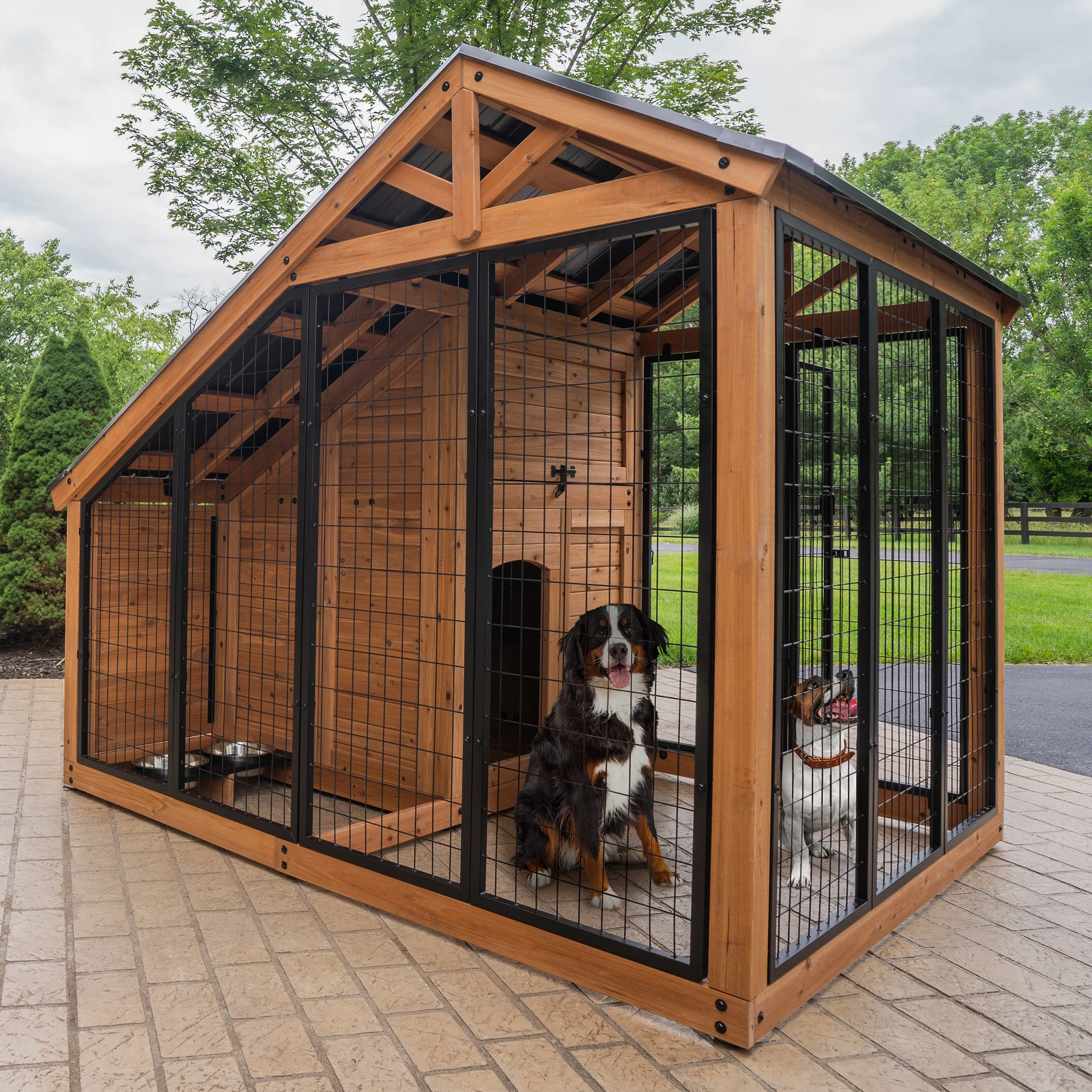
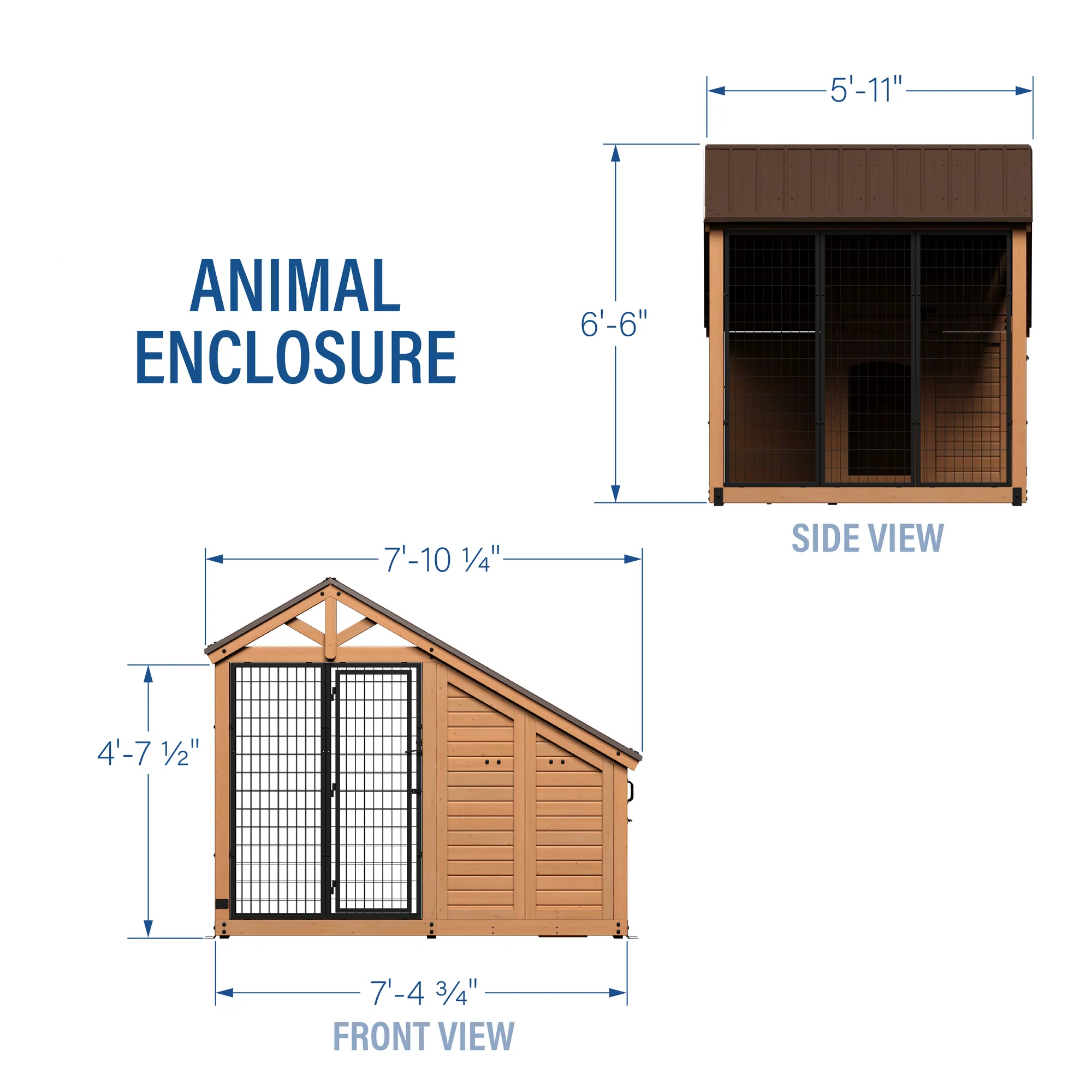
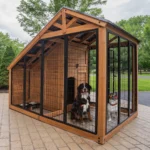
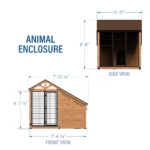
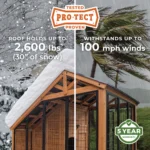
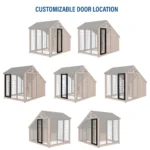
Overview
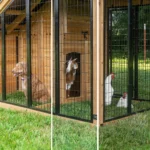
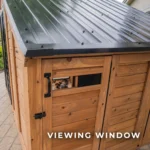
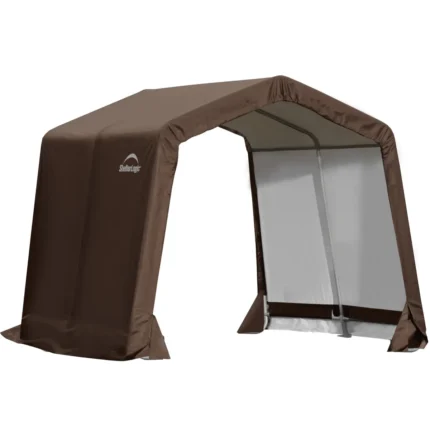
An animal enclosure is a structure or fenced area designed to safely contain animals while providing them with space to move, rest, and live comfortably. Enclosures are used for pets, livestock, wildlife conservation, zoos, farms, and research facilities. They protect animals from escaping, shield them from predators or environmental hazards, and help caretakers manage animals effectively.
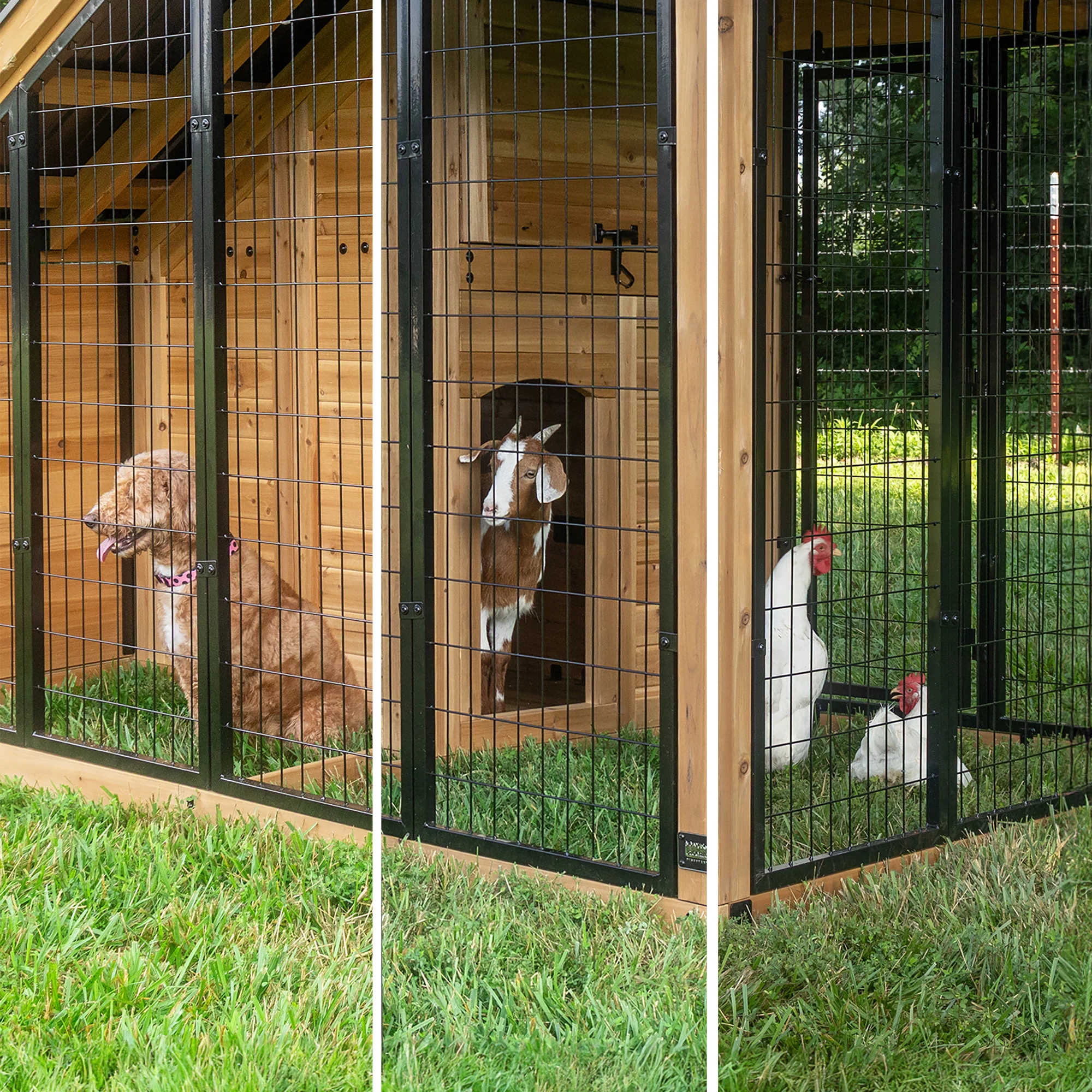
Animal enclosures can vary widely in size and design—from small cages for pets to large outdoor habitats that simulate natural environments. The design of an enclosure usually depends on the animal species, environment, purpose, and available space.
Common Types of Animal Enclosures
1. Pet Enclosures
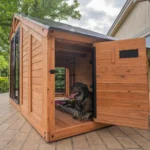
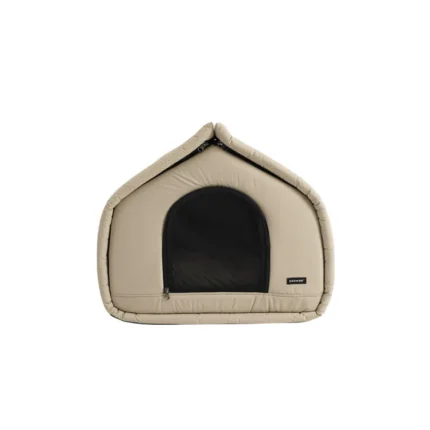
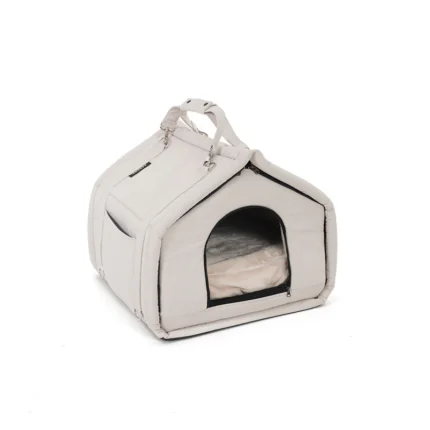
Pet enclosures are designed for domestic animals such as dogs, cats, rabbits, and birds. These enclosures can be indoor or outdoor and are often portable.
Examples include:
-
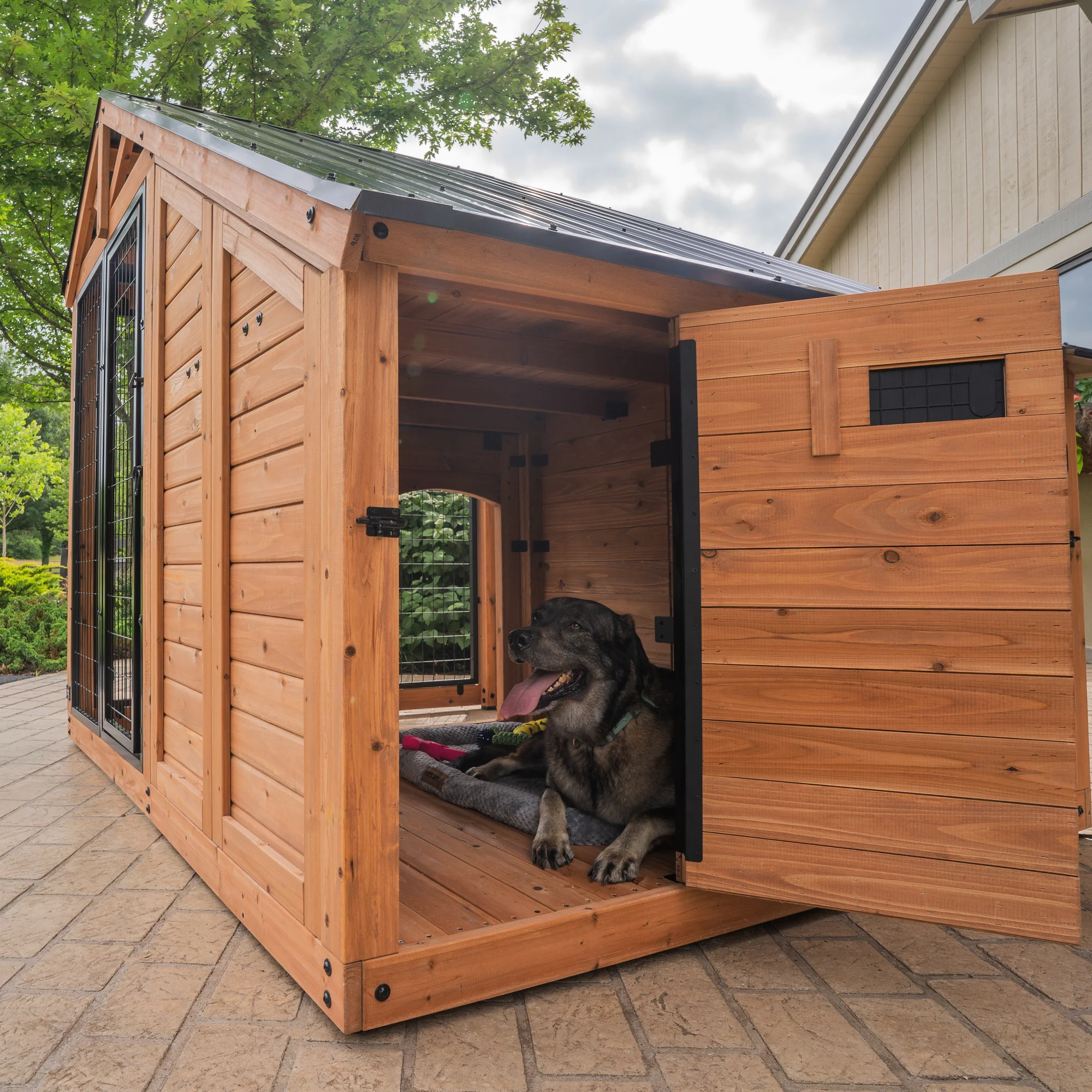
Dog kennels
-
Catios (outdoor cat enclosures)
-
Rabbit hutches
-
Puppy playpens
These structures provide safe areas where pets can play and relax while preventing them from wandering away.
2. Livestock Pens and Corrals
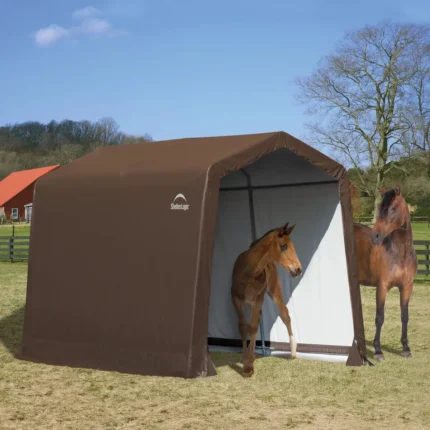
Livestock enclosures are commonly used on farms and ranches for animals such as cattle, goats, sheep, and horses.
Typical examples include:
-
Cattle pens
-
Horse paddocks
-
Sheepfolds
-
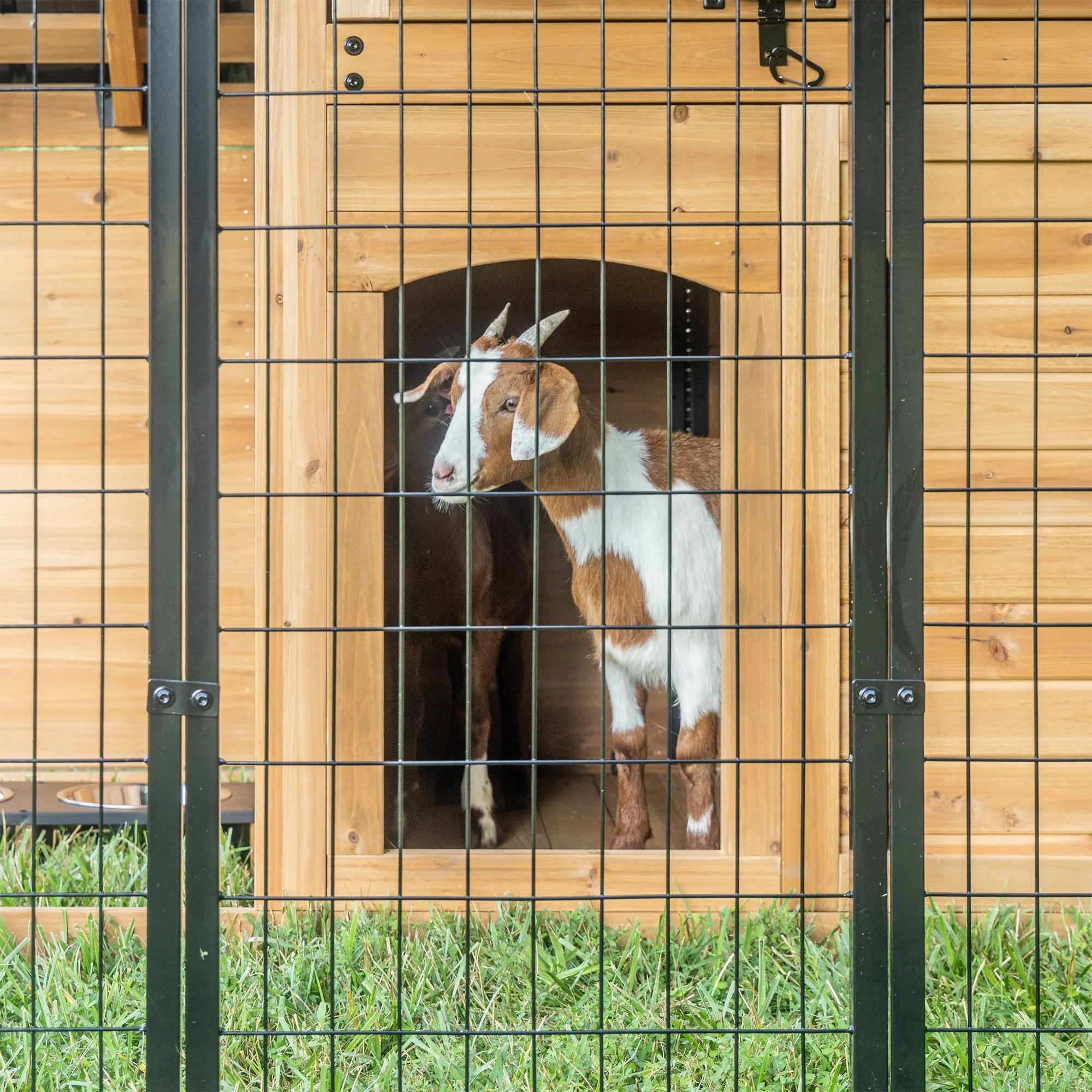
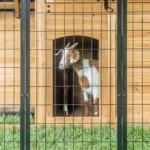
Goat pens
A pen is usually a fenced or walled outdoor space that keeps animals contained and organized for feeding, breeding, or transport.
3. Small Animal Hutches
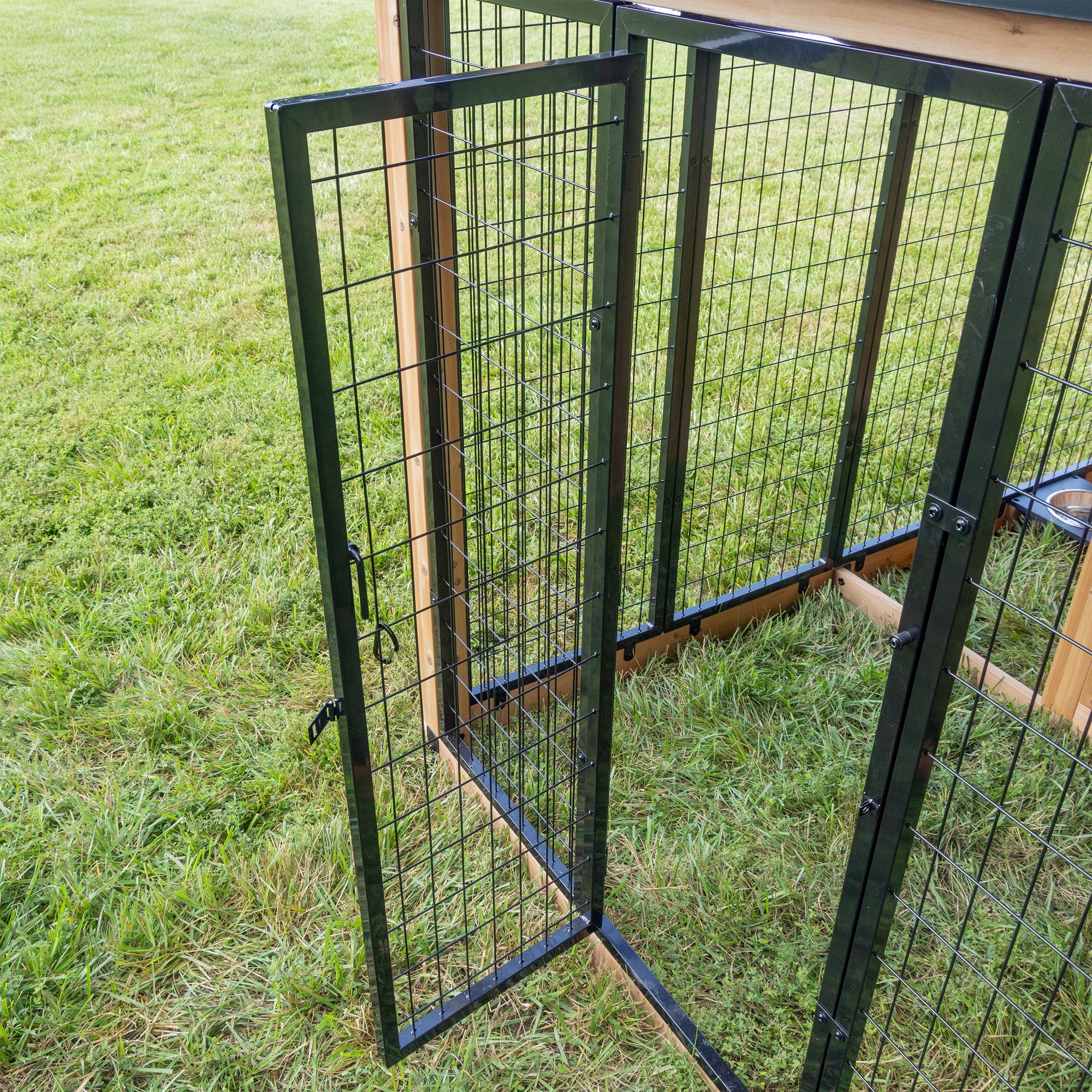
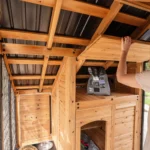
Hutches are small enclosures commonly used for animals like rabbits, guinea pigs, and ferrets. They typically include a wooden frame with mesh sides for ventilation and may have nesting boxes and roofs for protection.
4. Zoo and Wildlife Enclosures
Large animal enclosures in zoos or wildlife parks are designed to simulate natural habitats for animals such as lions, bears, or monkeys. These environments often include vegetation, water sources, and hiding areas to support natural behaviors.
5. Vivariums and Terrariums
A vivarium is a specialized enclosure designed to recreate an ecosystem for animals or plants. These are commonly used for reptiles, amphibians, insects, and aquatic species.
Materials Used in Animal Enclosures
Animal enclosures can be built from a variety of materials depending on the animal type and location:
-
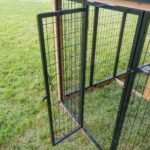
Metal wire or steel mesh – durable and secure for outdoor pens
-
Wood – common in hutches and small animal housing
-
Plastic panels – lightweight and portable for indoor enclosures
-
Glass or acrylic – used in aquariums and reptile vivariums
-
Concrete or stone – used for large zoo habitats or livestock pens
Key Design Features
A good animal enclosure usually includes:
-
Adequate space for movement and natural behavior
-
Proper ventilation to maintain healthy air circulation
-
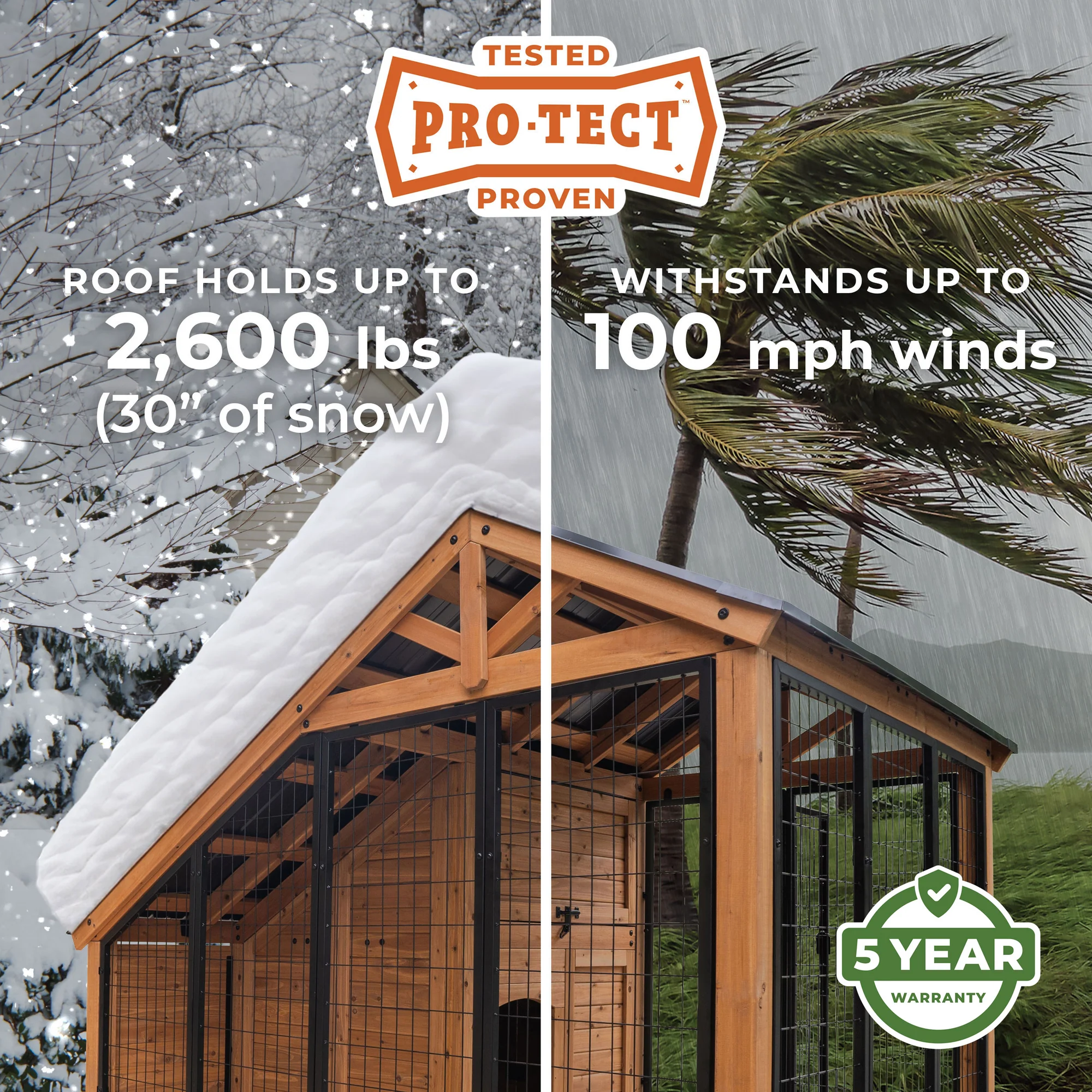
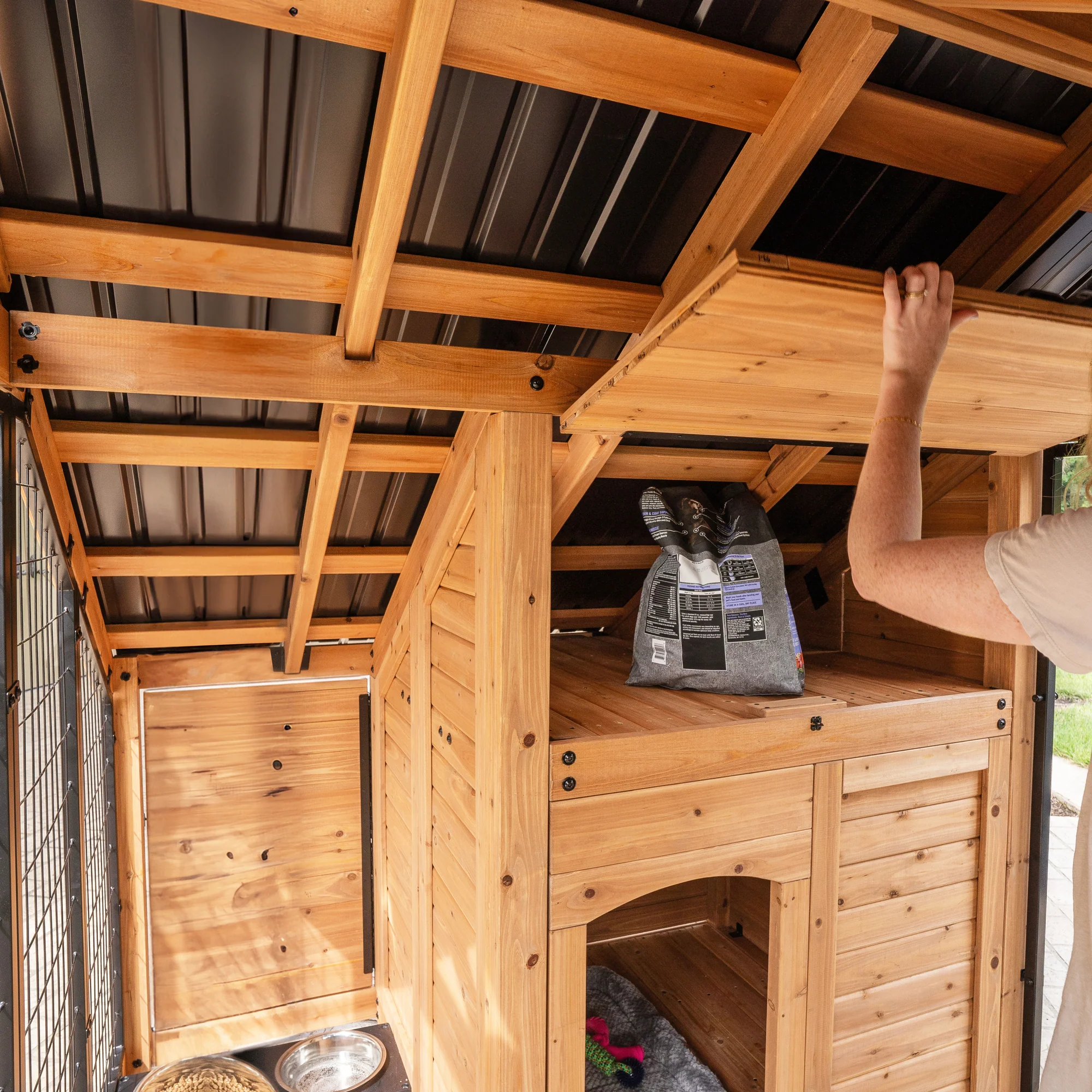
Shelter or shade to protect animals from weather
-
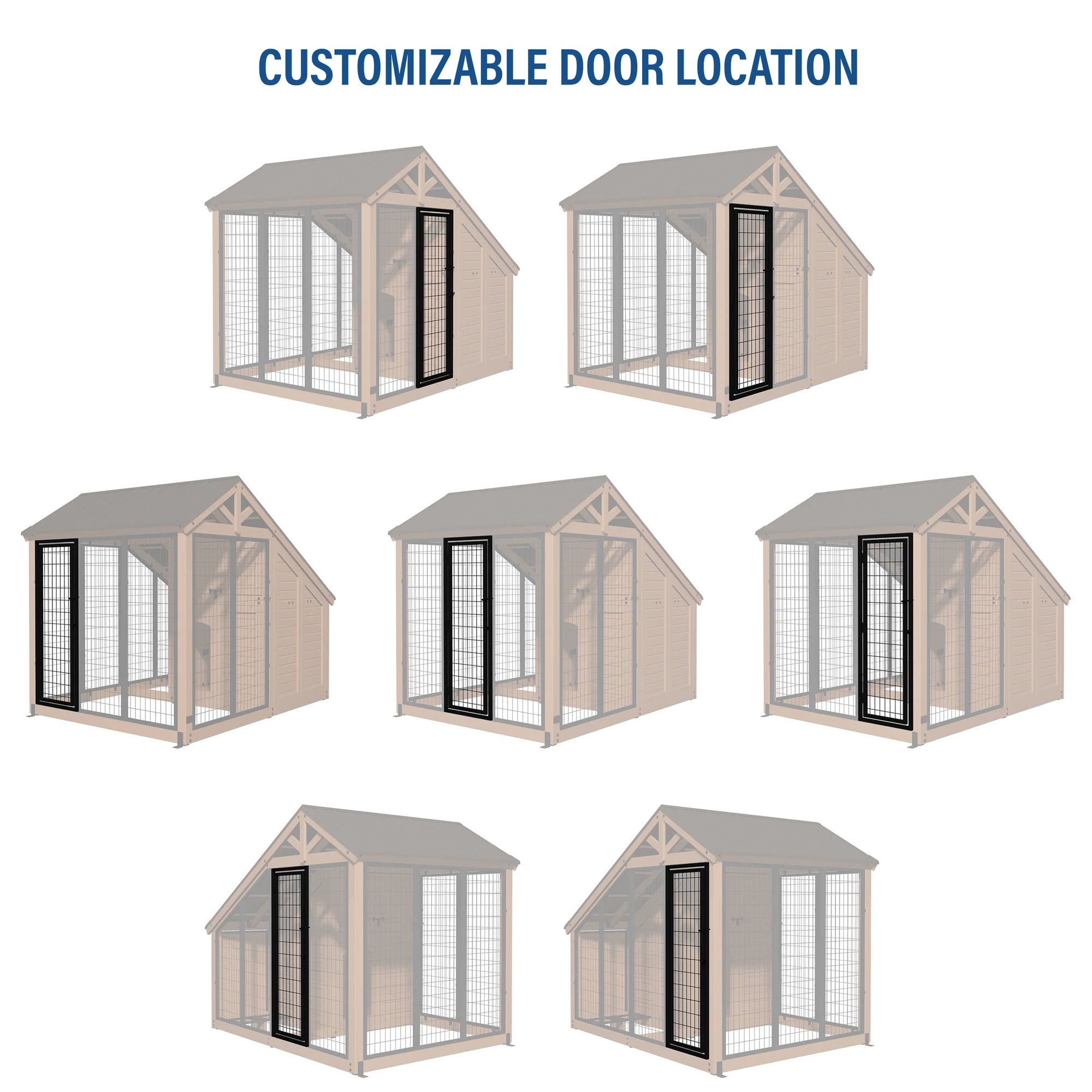
Secure fencing or doors to prevent escape
-
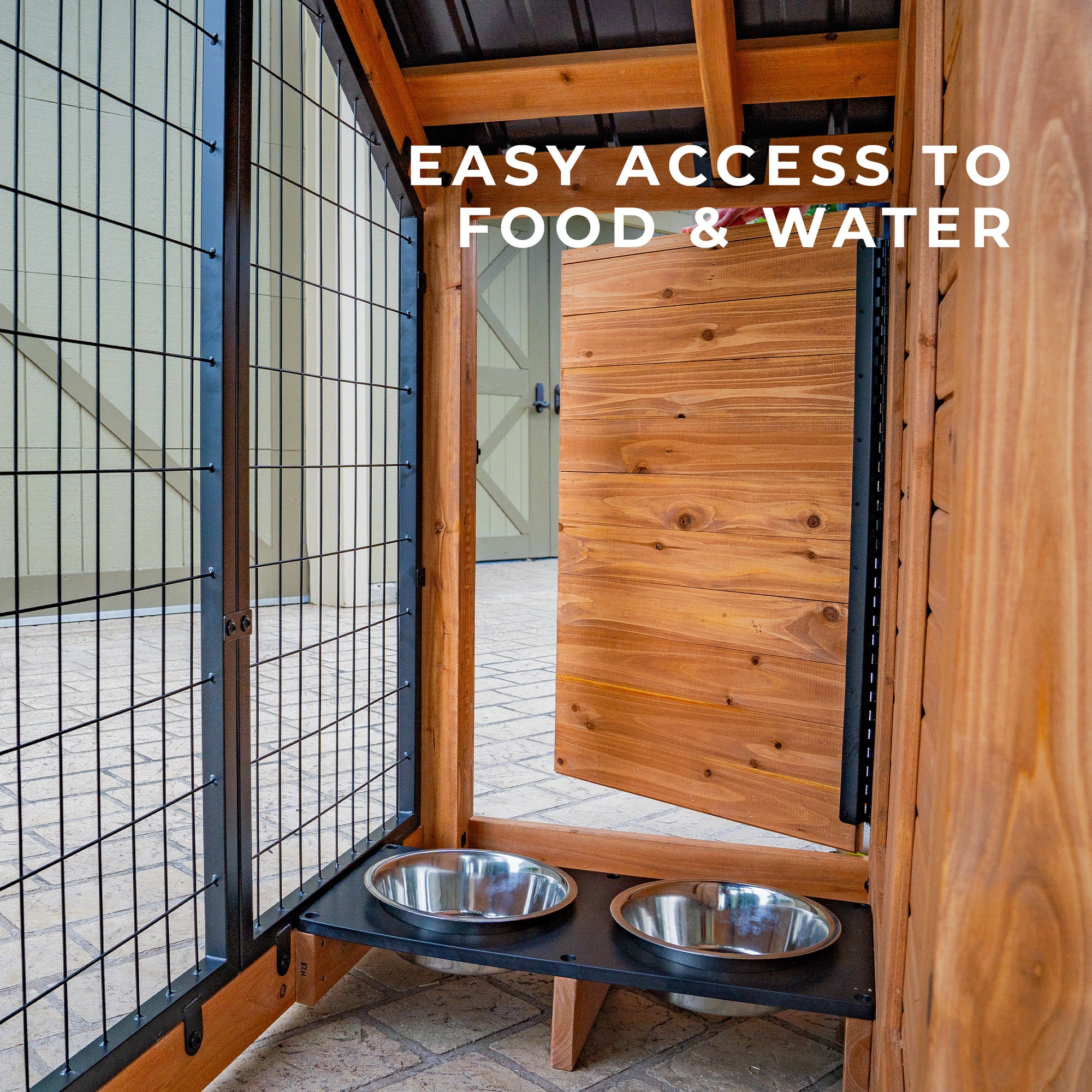
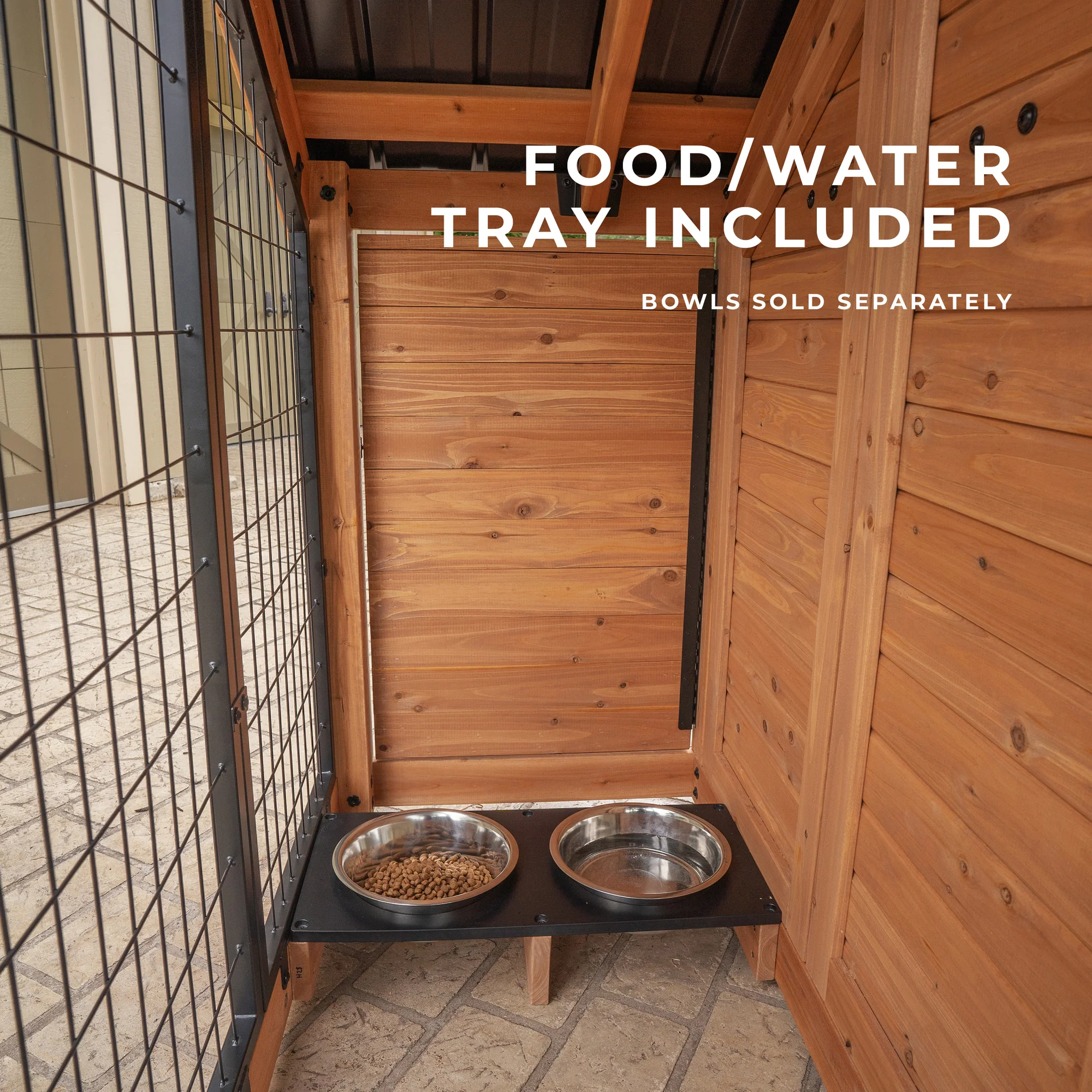
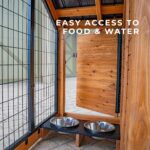
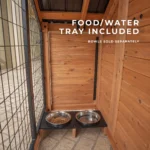
Feeding and watering areas
-
Hiding or resting spaces to reduce stress
Some enclosures also include enrichment features such as climbing platforms, tunnels, or nesting areas.
Benefits of Animal Enclosures
-
Protect animals from predators and environmental hazards
-
Prevent animals from escaping or getting lost
-
Provide a controlled environment for feeding and care
-
Support animal welfare by offering safe living space
-
Help manage multiple animals efficiently



Reviews
There are no reviews yet.